Peptides: Hype or Helpful? What Women Need to Know About Peptides and Longevity
Peptides: Hype or Helpful?
What Women Need to Know About Peptides, Longevity, and Midlife Health
A Word of Caution Before You Jump on the Peptide Trend
"Peptides are fascinating—but promising biology doesn't always mean proven safety."
Peptides are everywhere right now.
From social media influencers to longevity clinics, they're being promoted as the next big thing for weight loss, recovery, anti-aging, metabolic health, and even longevity. With so much excitement surrounding peptides, it's no surprise that many women are wondering whether they're truly worth the hype.
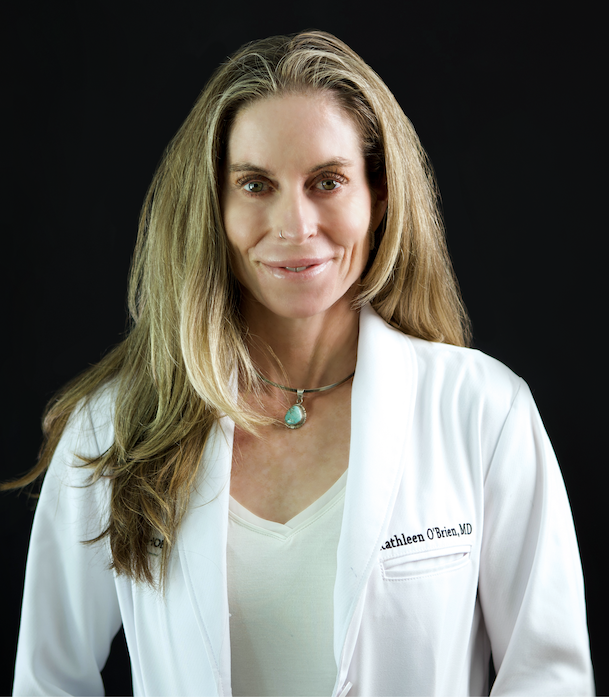
According to Dr. Katie O'Brien, the answer is more nuanced than a simple yes or no.
While some peptides have decades of research and clinical use behind them, others are still in the early stages of investigation. Understanding the difference is critical before spending money—or putting something into your body.
What Are Peptides?
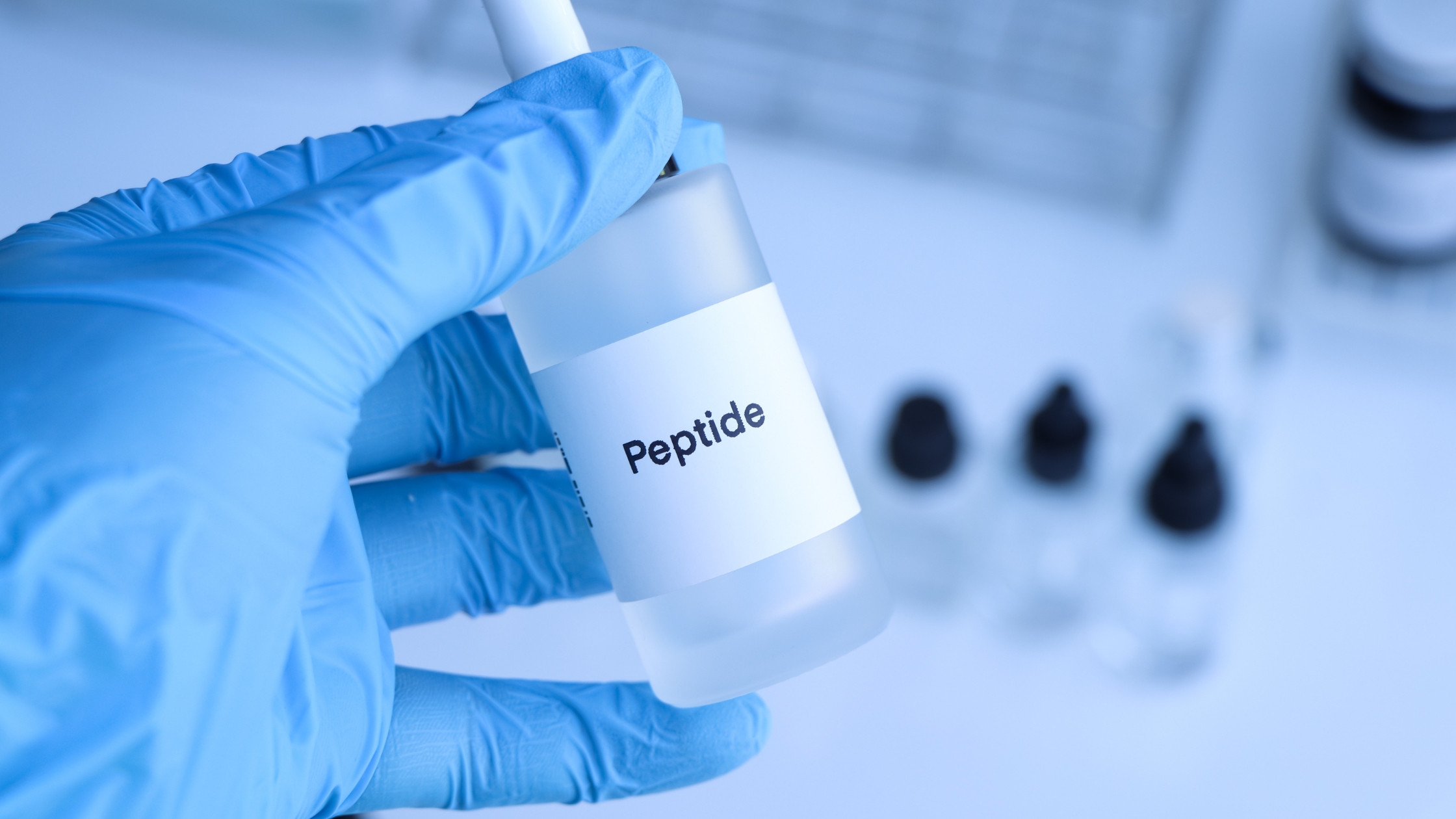
Dr. Katie explains that peptides are short chains of amino acids that function as messengers throughout the body.
They help regulate important processes including:
Tissue repair
Inflammation
Metabolism
Recovery
Cellular regeneration
Hormone signaling
One way to think about peptides is as communication tools between cells.
As we age, many of these signaling pathways become less efficient. Researchers believe that some peptides may help restore or support these communication networks, which is one reason they've generated so much interest in the longevity space.
But while the concept sounds exciting, not all peptides have the same level of evidence behind them.
Peptides Are Not New
One of the most important points Dr. Katie makes is that peptides themselves are not new.
In fact, medicine has been using peptide-based therapies for decades.
The most well-known example is insulin, which has transformed the lives of millions of people living with diabetes.
Another example is the family of GLP-1 medications, including:
Semaglutide
Tirzepatide
Retatrutide
These medications have undergone extensive research, large human clinical trials, and regulatory review.
So when Dr. Katie talks about peptides, she's not dismissing the science.
The science is real.
The challenge is that not every peptide currently being promoted online has gone through the same rigorous testing process.
Where Things Get Tricky
This is where Dr. Katie encourages women to proceed with caution.
Many of the peptides currently being promoted in wellness and anti-aging circles are sold as research compounds.
That means:
Limited human studies
Limited long-term safety data
Variable manufacturing standards
Lack of consistent regulation
Questions about purity and dosing
Some products available online even arrive labeled:
"Not for Human Use."
That warning alone should make anyone pause.
Dr. Katie shares that while the biology behind many of these compounds is promising, patient safety must always come first.
Just because a peptide is trending on social media doesn't mean it's been adequately studied.
Why Peptides Are Getting So Much Attention in Midlife Health

Women in perimenopause and menopause often experience significant changes that affect how they feel and function.
As estrogen declines, many women notice:
Reduced muscle mass
Slower recovery
Increased inflammation
Weight gain or body composition changes
Declining collagen production
Lower energy
Changes in skin health
Because peptides are involved in cellular communication, researchers are investigating whether certain peptides may help support some of these age-related changes.
This possibility is one reason peptides have become such a popular topic in women's health.
Common Peptides You May Be Hearing About
BPC-157
One peptide frequently discussed in sports medicine and recovery circles is BPC-157.
According to Dr. Katie, it has been studied for:
Tissue repair
Tendon support
Ligament healing
Gut health
Anti-inflammatory effects
Many people report positive experiences, though large-scale human research is still limited.
TB-500
TB-500 is another peptide commonly used in recovery and performance communities.
Potential applications include:
Muscle recovery
Injury healing
Systemic anti-inflammatory support
Tissue regeneration
While interest continues to grow, more research is needed before definitive conclusions can be made.
Growth Hormone-Related Peptides
You may also hear about:
Sermorelin
Tesamorelin
Ipamorelin
CJC-1295
These peptides are believed to influence growth hormone signaling pathways.
Potential areas of interest include:
Recovery
Sleep
Muscle development
Strength
However, Dr. Katie emphasizes that sourcing and quality control remain important concerns.
Mitochondrial Peptides and Longevity
Another exciting area of peptide research involves mitochondrial health.
Mitochondria are often called the powerhouses of our cells because they generate the energy needed for nearly every function in the body.
Examples include:
MOTS-c
Often studied for:
Metabolic health
Energy production
Insulin sensitivity
Humanin
Being researched for cellular protection and brain health.
SS-31
Investigated for its potential role in supporting mitochondrial function and energy production.
While these compounds are generating excitement, research is still evolving.
What About GHK-Cu?
Copper peptides, commonly known as GHK-Cu, have become increasingly popular in the skin and hair health space.
Dr. Katie shares that these peptides may support:
Collagen production
Skin elasticity
Hair growth
Wound healing
Tissue repair
Because collagen production drops significantly after menopause, it's easy to understand why so many women are interested in this category.
Topical formulations are becoming especially popular and may offer a safer alternative to injectable options.
A Quick Clarification About NAD
Dr. Katie also addresses another common topic in longevity medicine: NAD.
NAD is not a peptide.
It is a molecule involved in cellular energy production and DNA repair.
Because NAD levels naturally decline with age, it often appears in conversations about healthy aging and longevity. While it may offer benefits, it belongs in a different category than peptide therapy.
Why Dr. Katie Is Excited About GLP-1 Medications
Among peptide therapies, GLP-1 medications are the category Dr. Katie feels most optimistic about.
She believes they are changing the landscape of metabolic health and helping many people improve outcomes related to:
Weight management
Blood sugar regulation
Inflammation
Metabolic health
However, she also highlights an important concern.
Muscle Loss Matters

GLP-1 medications don't only reduce body fat.
Without proper nutrition and exercise, they can also contribute to lean muscle loss.
For this reason, Dr. Katie recommends prioritizing:
Resistance training
Strength building
Adequate protein intake
Hormone optimization
Her goal is never simply weight loss.
It's preserving strength, muscle, and long-term health.
The Foundations Must Come First

This may be the most important takeaway from the entire conversation.
Before considering peptides, Dr. Katie encourages women to focus on the fundamentals:
Nutrition
Protein intake
Strength training
Quality sleep
Stress management
Hormone optimization
Daily movement
Meaningful relationships and community
These habits create the foundation for long-term health and longevity.
Peptides should never replace them.
Instead, they may serve as supportive tools when used thoughtfully and appropriately.
What Does the Future Hold?
Dr. Katie believes we're only at the beginning of understanding how peptides may fit into healthcare and longevity medicine.
Research continues to grow.
Regulation continues to evolve.
And new delivery methods may help improve both safety and accessibility.
One area she finds particularly exciting is the development of liposomal peptide formulations, which may offer alternatives to injections while maintaining effectiveness.
While more evidence is needed, these innovations could represent an important step forward.
Final Thoughts
Peptides are one of the most fascinating and rapidly evolving areas of modern medicine.
Some have transformed healthcare and are supported by decades of research. Others remain experimental and require significantly more study before their long-term safety and effectiveness can be fully understood.
Dr. Katie's message is simple:
Stay curious.
Stay informed.
Prioritize safety.
And never forget that the foundations of health—nutrition, movement, strength, sleep, stress management, and hormone optimization—will always matter more than any shortcut.
Watch The Full Podcast
Want to hear the full conversation from Dr. Katie O’Brien?
Watch the complete podcast episode here: Dr Katie on Peptides: Hype, Helpful or Harmful?
If this conversation resonated with you, be sure to explore more education and resources from Tahoe Hormone Therapy focused on hormone health, metabolism, strength, longevity, and thriving through perimenopause and menopause.
Want More Support?
At Tahoe Hormone Therapy, we help women navigate perimenopause, menopause, metabolic health, hormone balance, and longevity through a personalized, root-cause approach.
If you're ready to feel healthier, stronger, and more supported in your next chapter, we'd love to help.