
Stress, Cortisol & Menopause: Why Your Body Feels Different
Nervous System Flexibility, Cortisol, Stress & the Midlife Body
When Your Body Feels Like It’s Fighting You
You’re exercising.
You’re eating well.
You’re doing the things that used to work.
And suddenly… they’re not working the same way anymore.
For many women in perimenopause and menopause, one of the most frustrating changes is stubborn central weight gain — that feeling of suddenly carrying more around the middle even when your habits haven’t dramatically changed.
Cortisol helps your body respond to stress by mobilizing glucose into the bloodstream so you have energy available when you need it. That response is incredibly useful in short bursts.
But when stress becomes chronic and cortisol stays elevated over and over again, blood sugar can remain higher more often, and the body may gradually become less responsive to insulin.
Then menopause adds another layer.
As estrogen declines, women can lose some of estrogen’s supportive effects on insulin sensitivity. The combination of disrupted cortisol, changing estrogen levels, and increasing insulin resistance can contribute to changes in blood sugar, metabolism, and stubborn weight around the middle.
And this is where so many women begin to say:
“I’m doing everything I’ve always done. Why isn’t it working anymore?”
The answer may not simply be calories.
It may be the relationship between your hormones, your stress response, your metabolism — and your nervous system.
That’s why nervous system regulation deserves a much bigger place in the conversation about women’s health in midlife.
When Your Body Has Trouble Coming Back Down

Stress itself isn’t the problem.
Our bodies are designed to respond to stress.
The problem is when the reaction becomes much larger than the situation — or when the stressful moment is over, but your body doesn’t seem to get the message.
Maybe a glass of water spills when you’re already rushing out the door.
Maybe a text notification goes off and your stomach drops before you even read it.
Maybe someone cuts you off in traffic and your body stays tense long after the moment has passed.
The event is over.
But your nervous system is still responding.
Dr. Katie describes this as a loss of nervous system flexibility, or what is sometimes called a narrowed window of tolerance.
What Is Your Window of Tolerance?

Your window of tolerance is the zone where your nervous system can experience stress or uncertainty while still allowing you to:
Think clearly
Stay connected to the people around you
Respond instead of immediately reacting
Make thoughtful decisions
Return to baseline once the stressful moment has passed
The goal is not to never become stressed.
That isn’t realistic.
The goal is to widen that window and build enough flexibility that when stress happens, your nervous system can recover more efficiently.
Think of it almost like strengthening a muscle.
We are not trying to eliminate challenge.
We are building the ability to move through it.
“Always On” Is Not a Personality Trait

Dr. Katie hears versions of this from women all the time.
“I’m just anxious now.”
“I’m always busy.”
“I can’t shut my brain off.”
“Everything stresses me out.”
“I feel like I’m constantly waiting for the next thing to happen.”
Over time, hypervigilance can start to feel normal.
You’re scanning.
Bracing.
Planning.
Anticipating.
Always thinking about what needs to happen next.
And eventually it becomes:
“That’s just how I am.”
But constantly feeling overwhelmed or “on” may not simply be a personality trait.
It may be a nervous system that has spent too much time with its foot on the gas pedal and not enough time accessing the brake.
Your Nervous System Is Constantly Asking One Question

At its simplest, your nervous system is continually trying to answer:
Am I safe right now?
When your body perceives safety, you have greater access to rest, digestion, connection, recovery, clear thinking, and presence.
When your body perceives threat — or even uncertainty — it prepares you to respond.
For some women, that pattern may have developed through years of caregiving, chronic responsibility, relationship stress, trauma, financial uncertainty, or simply spending years taking care of everyone else first.
Sometimes those patterns may go back much further than our adult lives.
Dr. Katie also discusses how life experiences and trauma can influence gene expression through epigenetic mechanisms.
But the most important message is this:
Your past does not mean you are stuck.
You may not have chosen the wiring you started with.
But that does not mean it cannot change.
Why Perimenopause Can Make Everything Feel Harder

Then comes another layer:
Hormonal change.
Perimenopause and menopause do not happen separately from the nervous system.
Estradiol, one of the body’s primary forms of estrogen, interacts with systems involved in the stress response.
As estradiol becomes more erratic during perimenopause and eventually declines, some women notice that stress simply feels different.
Things that once rolled off your back suddenly don’t.
You may find yourself wondering:
Why can’t I handle everything the way I used to?
or
Why am I waking up at 3 AM with my brain completely awake?
Dr. Katie explains that estrogen interacts with the HPA axis — the communication system involving the hypothalamus, pituitary gland, and adrenal glands that helps regulate the body’s stress response and cortisol production.
For a nervous system that may already be carrying years of stress, hormonal changes can make that window of tolerance feel even narrower.
Cortisol, Sleep & the “Tired but Wired” Feeling

Cortisol is one of the hormones involved in helping your body respond to stress.
In a flexible stress response, cortisol rises when needed, does its job, and then comes back down.
But when the nervous system remains in a chronically activated state, that rhythm may become disrupted.
This can contribute to one of the most frustrating experiences women describe during midlife:
Tired all day. Wide awake at night.
Your body feels exhausted.
Your brain has other plans.
You may wake at 2:00 or 3:00 AM and suddenly find yourself thinking about work, your family, tomorrow’s schedule, or seemingly nothing at all.
Your body is simply awake.
That relationship between hormones, cortisol, sleep, and nervous system regulation is one reason Dr. Katie believes nervous system work deserves a bigger place in menopause care.
Stress and Metabolic Health Are Connected
The conversation doesn’t stop with mood or sleep.
Cortisol also influences blood sugar.
During an acute stress response, cortisol helps mobilize glucose so your body has immediate energy available.
That is useful when you actually need to respond to a threat.
It becomes more complicated when the same biological response is being activated repeatedly throughout ordinary daily life.
Dr. Katie describes a cycle that can develop:
Narrow window of tolerance → disrupted cortisol → worsening insulin resistance → changes in weight, glucose, sleep and mood → even less nervous system flexibility
At the same time, declining estrogen may also affect insulin sensitivity.
This helps explain why some women feel like all the tools that used to work suddenly aren’t working the same way anymore.
Your Window of Tolerance Can Get Wider
Here is the hopeful part:
A narrow window of tolerance is not necessarily permanent.
Think of nervous system flexibility like building a muscle.
The goal isn’t to create a life without stress.
That life doesn’t exist.
Instead, we practice giving the nervous system repeated experiences of:
Stress → Regulation → Safety → Recovery
Over time, we can build more flexibility and become better able to return to baseline after difficult moments.
That matters at home.
It matters at work.
It matters in relationships.
And it matters for how we experience our health.
Two Simple Tools to Try
Nervous system work does not need to begin with an hour-long meditation practice.
Sometimes it starts with one minute.
1. Box Breathing
Box breathing is a structured breathing technique Dr. Katie recommends when you notice yourself becoming reactive or overwhelmed.
Try this:
Inhale through your nose for 4 counts.
Hold for 4.
Exhale slowly for 4.
Hold with your lungs empty for 4.
That completes one “box.”
Repeat the cycle four to six times.
It can be used before a difficult conversation, after a stressful email, before a meeting, or whenever you notice your body moving into that reactive state.
2. Rub Your Fingers Together
This one is almost invisible.
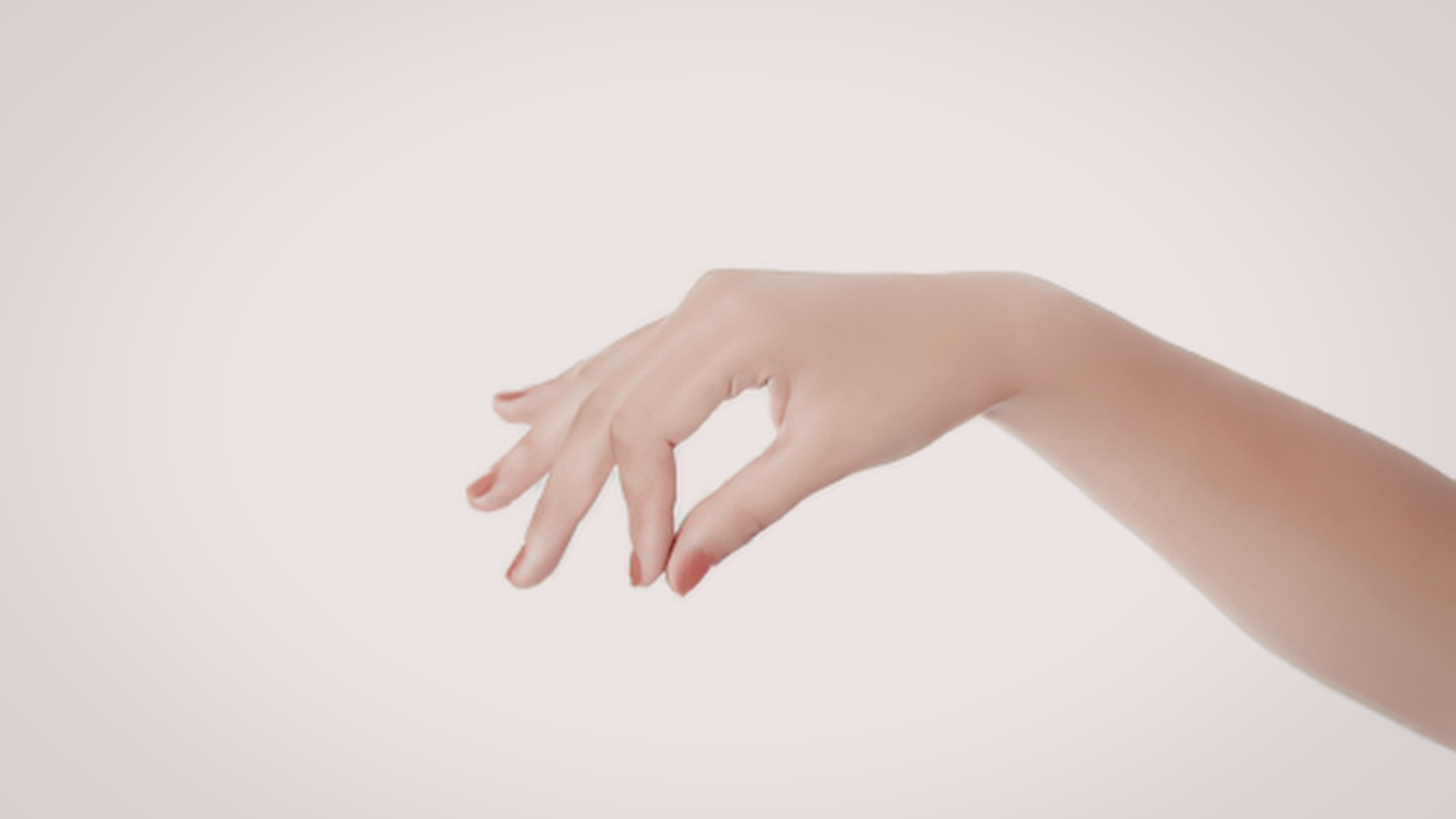
Press your thumb against your pointer finger and slowly rub them together.
Notice the ridges of your fingerprints.
Notice the texture.
Notice the physical sensation.
This gives your brain something concrete happening right now to focus on, helping bring your attention back into the present moment.
And no one around you needs to know you’re doing it.
You can use it during a meeting, in the carpool line, at the grocery store, or during an uncomfortable conversation.
But I Don’t Have Time to Meditate
This is one of the most common objections Dr. Katie hears.
“I don’t have time.”
“I tried meditation. It’s too hard.”
“I’ll do it once everything else is taken care of.”
But perhaps the bigger question is:
Who taught us that taking care of our nervous system was selfish?
We live in a culture that often celebrates busyness.
Go.
Do.
Achieve.
Produce.
Take care of everyone else.
And slowing down can begin to feel indulgent — or even lazy.
But Dr. Katie challenges that idea.
This is not simply self-care in a bubble.
It is maintenance on the system running everything else in your life.
Your patience with your children.
Your connection with your partner.
Your clarity at work.
Your sleep.
Your metabolism.
Your ability to be present for your own life.
Regulating your nervous system is not necessarily time taken away from the people who need you.
It may be part of what allows you to keep showing up for them.
A Flexible Nervous System Doesn’t Mean Doing Less
There can also be a fear that slowing down means losing ambition.
That regulation means becoming less productive.
That calming your nervous system means lowering the bar.
That isn’t the goal.
Dr. Katie’s point is that a more flexible nervous system can help you operate from a place where your clearest thinking is more available to you.
We’re not trying to remove challenge from your life.
We’re trying to help you move through challenge with more clarity and flexibility.
For women navigating perimenopause and menopause — when brain fog, sleep disruption, anxiety, and overwhelm may already feel heightened — that distinction matters.
When You Feel Like You’ve Hit a Wall

Sometimes women reach a point where many pieces are already being addressed.
Hormones.
Nutrition.
Movement.
Metabolic health.
Medications when appropriate.
And yet sleep still isn’t improving.
Weight still feels stuck.
Something still feels off.
Dr. Katie shares that this is often where nervous system work deserves another look.
Because hormones, cortisol, insulin sensitivity, sleep, inflammation, mental health, and nervous system regulation do not operate as completely separate systems.
The body is connected.
And sometimes the missing piece is helping that system feel safe enough to recover.
Final Thoughts

“Nervous system regulation” has become a popular phrase.
But the conversation is about much more than a wellness trend.
It is about understanding the biology of stress.
It is about recognizing what happens when the body spends too much time in a state of hypervigilance.
And it is about remembering that your nervous system can learn something new.
You don’t have to eliminate every stressor.
You don’t need to meditate perfectly.
You don’t need another impossible wellness routine.
Start with two minutes.
Take one slow breath.
Try one round of box breathing.
Feel your fingertips.
Notice your body.
Give your nervous system one small opportunity to hear:
I am safe right now.
Then do it again tomorrow.
Because the goal isn’t perfection.
The goal is flexibility.
And for some women, widening that window may become an important piece of feeling better in midlife.
Watch The Full Podcast
Want to hear the full conversation from Dr. Katie O’Brien?
Watch the complete podcast episode here: Why Your Nervous System Changes in Menopause | Dr. Katie O’Brien
If this conversation resonated with you, be sure to explore more education and resources from Tahoe Hormone Therapy focused on hormone health, metabolism, strength, longevity, and thriving through perimenopause and menopause.
Want More Support?
At Tahoe Hormone Therapy, we help women navigate perimenopause, menopause, metabolic health, hormone balance, and longevity through a personalized, root-cause approach.
If you're ready to feel healthier, stronger, and more supported in your next chapter, we'd love to help.