Protein with Dr. Katie: Tips and Tricks To Build Muscle in Perimenopause and Beyond
Muscles, Macros & Menopause: Why Strength Training Changes Everything for Women
You Will Not Get “Too Bulky”
“You will not get too big. I promise you that.” — Dr. Katie O’Brien
It’s one of the most common fears women share when they begin strength training — especially during perimenopause and menopause.
“What if I get bulky?”
Dr. Katie O’Brien hears this question constantly, and her response is always the same:
“Good luck with that.”
Building muscle is not easy. It takes intention, consistency, nourishment, and time. And for most women, gaining excessive muscle mass is simply not something that happens accidentally.
What does happen, however, is transformation..
Your body begins to feel stronger.
Your metabolism becomes more resilient.
Your energy improves.
Your balance and longevity improve.
And your body composition starts shifting in a healthier direction.
As Dr. Katie explains, there may be moments where your clothes fit differently because you’re finally building muscle in places that have never had much before.
But that’s not failure.
That’s progress.
The goal isn’t becoming smaller at all costs.
The goal is becoming stronger, healthier, and more metabolically resilient for the decades ahead.
Why Muscle Matters So Much in Perimenopause & Menopause
At Tahoe Hormone Therapy, strength training is not viewed as optional.
It’s foundational.
Research continues to show that muscle mass is strongly associated with longevity and healthy aging. In fact, muscle mass is inversely associated with the risk of death, and grip strength is considered one of the strongest predictors of long-term health outcomes.
For women navigating hormonal changes, muscle becomes even more important.
As estrogen declines, women naturally become more vulnerable to:
Muscle loss
Slower metabolism
Insulin resistance
Bone loss
Fatigue
Increased inflammatory body fat
Reduced mobility as we age
This is why building muscle during perimenopause is one of the most protective things women can do for their future health.
Dr. Katie shares that after more than 20 years working in emergency medicine, she can often tell within moments which older patients are likely to recover well — and which are far more vulnerable — simply by observing muscle mass and strength.
That’s how powerful muscle truly is.
“The hard work you put in now will pay off in spades down the road.”
And the encouraging part?
Building muscle is the hard part.
Keeping muscle becomes much easier once you’ve built it.
The Truth About Body Recomposition
Many women begin strength training assuming the goal is weight loss alone.
But what Dr. Katie teaches is something much more important: body recomposition.
That means:
Losing inflammatory body fat
Building lean muscle
Improving metabolic health
Supporting long-term hormone balance
Sometimes during this process, the scale may not move dramatically right away.
You may even feel temporarily “heavier” as your body changes composition.
That does not mean the process isn’t working.
As muscle increases and inflammation decreases, your body becomes stronger, firmer, more stable, and metabolically healthier — even before dramatic changes appear externally.
The focus shifts from simply becoming thinner to becoming healthier and stronger from the inside out.
Protein: The Foundation of Muscle Building
One of the biggest mistakes women make when trying to build muscle is under-eating protein.
At Inner Garden Health, Dr. Katie often recommends aiming for approximately one gram of protein per pound of ideal body weight daily.
And importantly:
“We do not wing it.”
She jokes about “macro jenga” — randomly guessing protein intake throughout the day and hoping it works out by bedtime.
Instead, consistency matters.
One of the best strategies is starting the day with a high-protein breakfast.
Dr. Katie recommends aiming for around 30 grams of protein in the first meal of the day so you aren’t trying to “catch up” on protein late at night.
Her own breakfast often includes:
Protein smoothie powder
Whey protein
Healthy fats
Fruit
Micronutrient support
This helps stabilize energy, support muscle protein synthesis, and create momentum for the rest of the day.
If you lift weights in the morning, she also emphasizes the importance of eating enough carbohydrates beforehand so your body has the fuel needed for training.
At night, she prefers lighter, fast-digesting proteins like:
Greek yogurt
Non-dairy yogurt
Whey protein
Nuts
Homemade applesauce
Simple strategies like this can make a major difference in recovery, sleep, and muscle growth.
How To Make Your Gym Time More Effective
Dr. Katie encourages women to stop approaching the gym distracted and disconnected.
Your workout deserves your full attention.
That means:
Turn off notifications
Put your phone away
Be mentally present
Focus on intentional movement
One of the most important concepts she teaches is something called the mind-muscle connection.
Instead of simply moving weights around, think intentionally about the muscle you’re trying to stimulate.
Whether it’s a squat, deadlift, shoulder press, or lateral raise, being mentally connected to the movement dramatically improves efficiency and results.
She also encourages women to prioritize a combination of:
Compound Movements
These are larger lifts that work multiple muscle groups, such as:
Squats
Deadlifts
Bench presses
Rows
Accessory Movements
These help strengthen and shape specific muscles while supporting overall balance and stability.
For beginners, working with a trainer for a few sessions can be incredibly valuable to learn proper form safely.
And perhaps most importantly:
Find a gym environment that inspires you.
Being surrounded by motivated people matters more than many women realize.
Fiber, Hydration & Digestion Matter More Than You Think
When women suddenly increase protein intake, digestion often changes too.
Constipation, bloating, and discomfort are common if hydration and fiber are neglected.
Dr. Katie emphasizes several foundational habits:
Stay Well Hydrated
Electrolytes can help support hydration and recovery, especially during strength training.
Prioritize Fiber
She recommends aiming for approximately 25–30 grams of fiber daily to support:
Gut health
Healthy bowel movements
Microbiome balance
Colon health
Hormone detoxification
She personally enjoys konjac fiber and glucomannan-based noodles as an easy way to increase fiber intake without excessive bloating.
The key is increasing fiber gradually so the digestive system can adapt comfortably.
Why Processed Protein Bars Aren’t Always the Answer
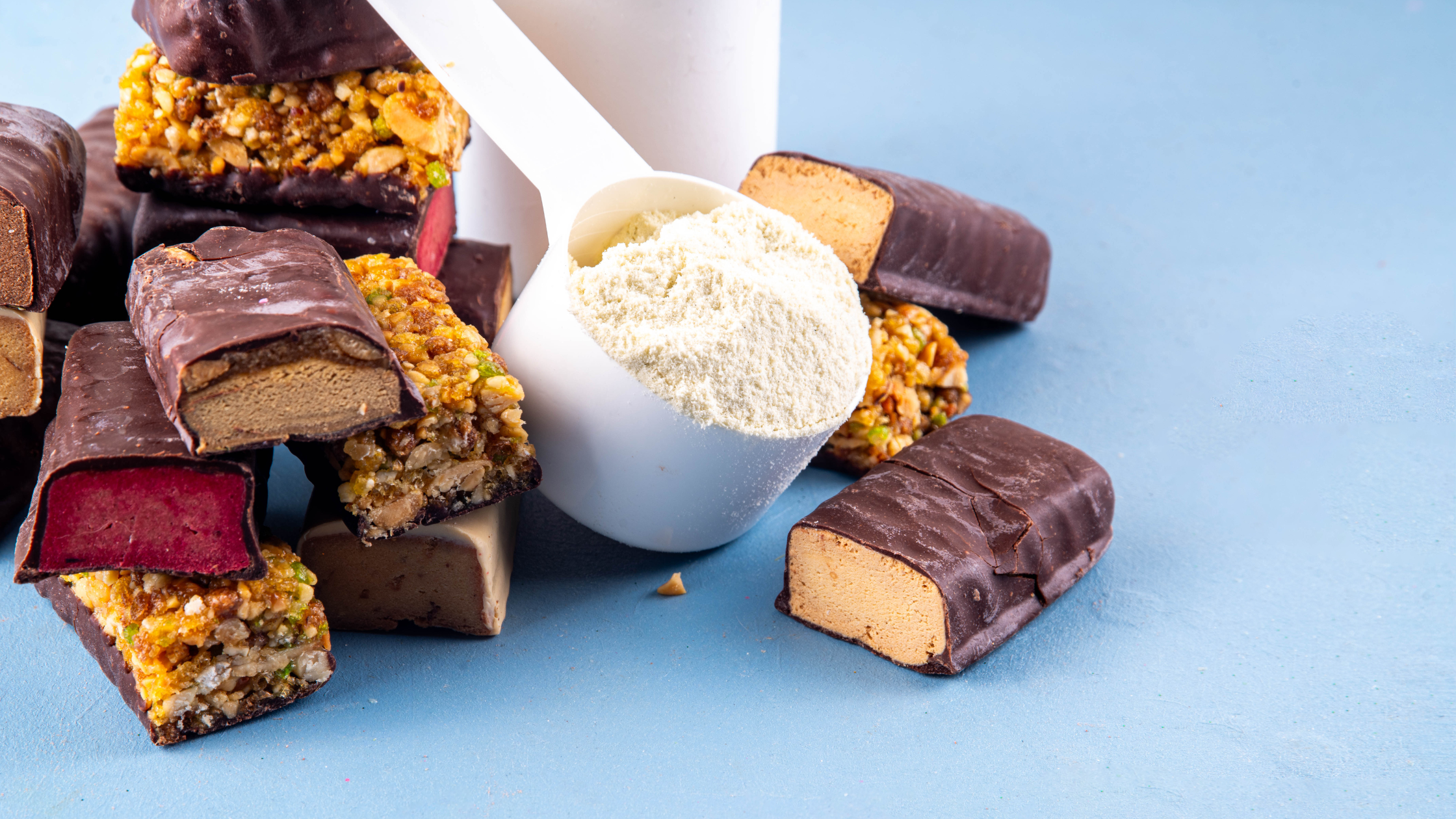
One of Dr. Katie’s strongest nutrition recommendations is avoiding overly processed protein products whenever possible.
Many protein bars contain:
Artificial sweeteners
Fillers
Binders
Ingredients that may disrupt the microbiome
While convenient occasionally, relying heavily on processed protein products can contribute to bloating, gut disruption, and inflammation.
Instead, she recommends focusing primarily on whole-food protein sources such as:
Fish
Chicken
Shrimp
Lean beef
Bison
Tofu
Greek yogurt
Protein smoothies
Whey protein
Pea protein
Her perspective is simple:
The best protein powder is the one your body tolerates well and that you can realistically stay consistent with long-term.
Alcohol & Muscle Building: The Conversation Most Women Avoid
This part surprises many women.
Alcohol has a significant impact on body composition, recovery, inflammation, sleep, and muscle maintenance.
“The reality is alcohol is the kiss of death for putting on muscle and keeping muscle.”
Dr. Katie explains that alcohol:
Increases inflammation
Disrupts sleep
Lowers recovery capacity
Impacts metabolism
Contributes significant empty calories
Makes healthy decision-making harder the next day
This doesn’t mean women can never enjoy a glass of wine.
It simply means awareness and moderation matter.
If progress feels stalled, alcohol intake may be an important factor worth evaluating honestly.
The Problem With Too Much Cardio
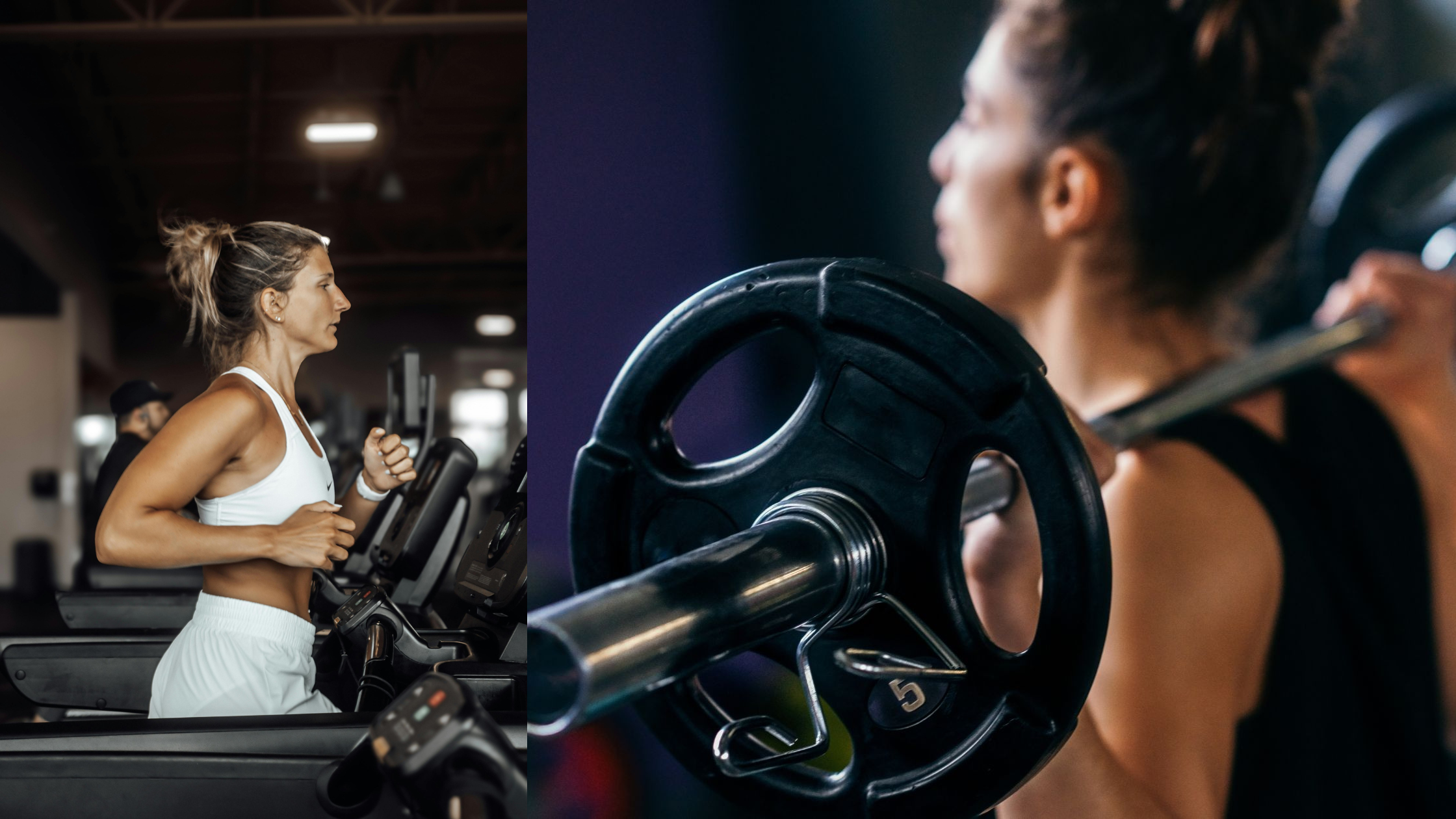
Cardio absolutely has benefits.
It supports cardiovascular health, stress reduction, endurance, and emotional well-being.
But Dr. Katie warns women against becoming trapped in endless cardio while neglecting muscle building.
Over time, excessive cardio can cause the metabolism to downregulate as the body adapts to chronic stress and energy expenditure.
This often leads women into a frustrating cycle where they feel they must continue increasing cardio just to maintain results.
Muscle works differently.
Muscle is metabolically expensive tissue.
The more muscle you build, the more energy your body naturally requires to maintain it — helping support a healthier metabolism long-term.
That’s why strength training becomes such a powerful tool during perimenopause and menopause.
Not because cardio is bad.
But because muscle changes everything.
Final Thoughts: Strength Is About So Much More Than Appearance

The conversation around muscle has to become bigger than aesthetics.
This is about:
Longevity
Independence
Confidence
Energy
Metabolic health
Resilience
Aging powerfully
Building muscle is one of the greatest gifts women can give themselves during midlife and beyond.
And contrary to what many women fear, strength training is not about becoming bulky.
It’s about becoming capable.
It’s about creating a body that supports you for decades to come.
As Dr. Katie beautifully reminds us:
“A woman is the full circle. Within her is the power to create, nurture, and transform.”
Watch The Full Podcast
Want to hear the full conversation from Dr. Katie O’Brien?
Watch the complete podcast episode here: Protein with Dr. Katie: Tips and Tricks To Build Muscle in Perimenopause and Beyond
If this conversation resonated with you, be sure to explore more education and resources from Tahoe Hormone Therapy focused on hormone health, metabolism, strength, longevity, and thriving through perimenopause and menopause.