GLP-1 Medications in Perimenopause and Menopause: Beyond Weight Loss
A New Approach to Metabolic Health, Weight Management, and Menopause Wellness
When It Feels Like You're Doing Everything Right
"For many women in perimenopause and menopause, GLP-1 medications can help jump-start weight loss when it feels like you're doing everything right and nothing is working."
If you've spent any time online recently, you've probably heard about GLP-1 medications.
From Ozempic and Wegovy to Mounjaro and newer medications currently in development, these drugs have become some of the most talked-about tools in medicine.
But are they simply weight loss drugs?
According to Dr. Katie O'Brien, the answer is no.
While GLP-1 medications have transformed weight management, emerging research suggests they may also improve metabolic health, cardiovascular health, brain health, inflammation, and longevity.
For women navigating perimenopause and menopause, that makes this conversation incredibly important.
What Are GLP-1 Medications?

GLP-1 receptor agonists mimic a hormone naturally produced by the gut after eating.
This hormone helps regulate:
Appetite
Blood sugar
Insulin production
Satiety
Digestion
When functioning properly, GLP-1 helps the body maintain healthy metabolic balance.
The medications simply amplify and extend these effects.
Dr. Katie explains that a healthy gut naturally produces GLP-1. In many ways, these medications are leveraging pathways that already exist within the body.
Why Are GLP-1 Medications Getting So Much Attention?

Initially developed for diabetes management, GLP-1 medications quickly gained attention because of their remarkable effects on weight loss.
Research suggests many patients lose approximately:
15–20% of Their Body Weight
Newer medications such as tirzepatide may produce even greater results.
For women struggling with stubborn weight gain during perimenopause and menopause, these outcomes can feel life-changing.
But according to Dr. Katie, there is an important caveat.
Weight loss should never come at the expense of muscle.
The Muscle Loss Conversation Nobody Is Talking About
One of Dr. Katie's biggest concerns is that many people focus solely on the number on the scale.
What often gets overlooked is that up to 40% of the weight lost on GLP-1 medications may come from lean body mass.
That means muscle.
For women in midlife, preserving muscle is critical for:
Bone health
Brain health
Metabolic function
Longevity
Strength and mobility
This is why Dr. Katie insists that GLP-1 medications should always be paired with:
High Protein Intake
Protein needs increase as we age.
Adequate protein helps preserve muscle during weight loss and supports overall metabolic health.
Resistance Training
Strength training helps protect lean mass while improving insulin sensitivity, balance, and long-term health.
The goal isn't simply to weigh less.
The goal is to become healthier.
⚠️ PROTECT YOUR MUSCLE

The Metabolic Benefits Go Far Beyond the Scale
While weight loss gets most of the attention, Dr. Katie is often more excited about what happens beneath the surface.
As excess body fat decreases, women frequently experience improvements in:
Insulin resistance
Blood sugar regulation
Hemoglobin A1C
Cholesterol markers
Triglycerides
Systemic inflammation
Because adipose tissue is highly inflammatory, reducing excess body fat can dramatically improve overall metabolic health.
For many women, these changes may be even more important than the weight loss itself.
Protecting the Heart

Cardiovascular disease remains the leading cause of death among women.
The encouraging news is that GLP-1 medications appear to provide meaningful cardiovascular protection.
Research has shown reductions in:
Heart attacks
Stroke
Cardiovascular death
Studies also suggest improvements in:
Blood pressure
Cholesterol
Inflammation
Arterial function
According to Dr. Katie, these benefits make GLP-1 medications particularly exciting from a preventive health perspective.
What About Brain Health?

One of the newest areas of GLP-1 research involves cognition.
Emerging studies suggest these medications may reduce the risk of:
Alzheimer's disease
Vascular dementia
Lewy body dementia
Researchers are also exploring their effects on:
Memory
Mood
Anxiety
Cognitive decline
While more research is needed, the early findings are incredibly promising.
Additional Benefits Researchers Are Exploring
The list continues to grow.
Current research suggests GLP-1 medications may also support:
Kidney Health
Lower risk of kidney disease progression.
Liver Health
Improvement in fatty liver disease and liver inflammation.
Sleep Apnea
Weight loss often improves airway function and sleep quality.
Cravings and Addiction
Researchers are studying the potential role of GLP-1 medications in reducing cravings for alcohol and other substances.
This is an area Dr. Katie finds particularly fascinating and one she expects to grow significantly in the coming years.
Understanding Side Effects
Like any medication, GLP-1 therapies are not without side effects.
The most common include:
Nausea
Constipation
Vomiting
Digestive discomfort
Feeling overly full
This is why Dr. Katie follows a simple philosophy:
Start low and go slow.
Gradually increasing dosage allows many patients to minimize side effects while still benefiting from the medication.
Hydration, adequate fiber, and proper nutrition can also improve tolerance.
Semaglutide vs. Tirzepatide
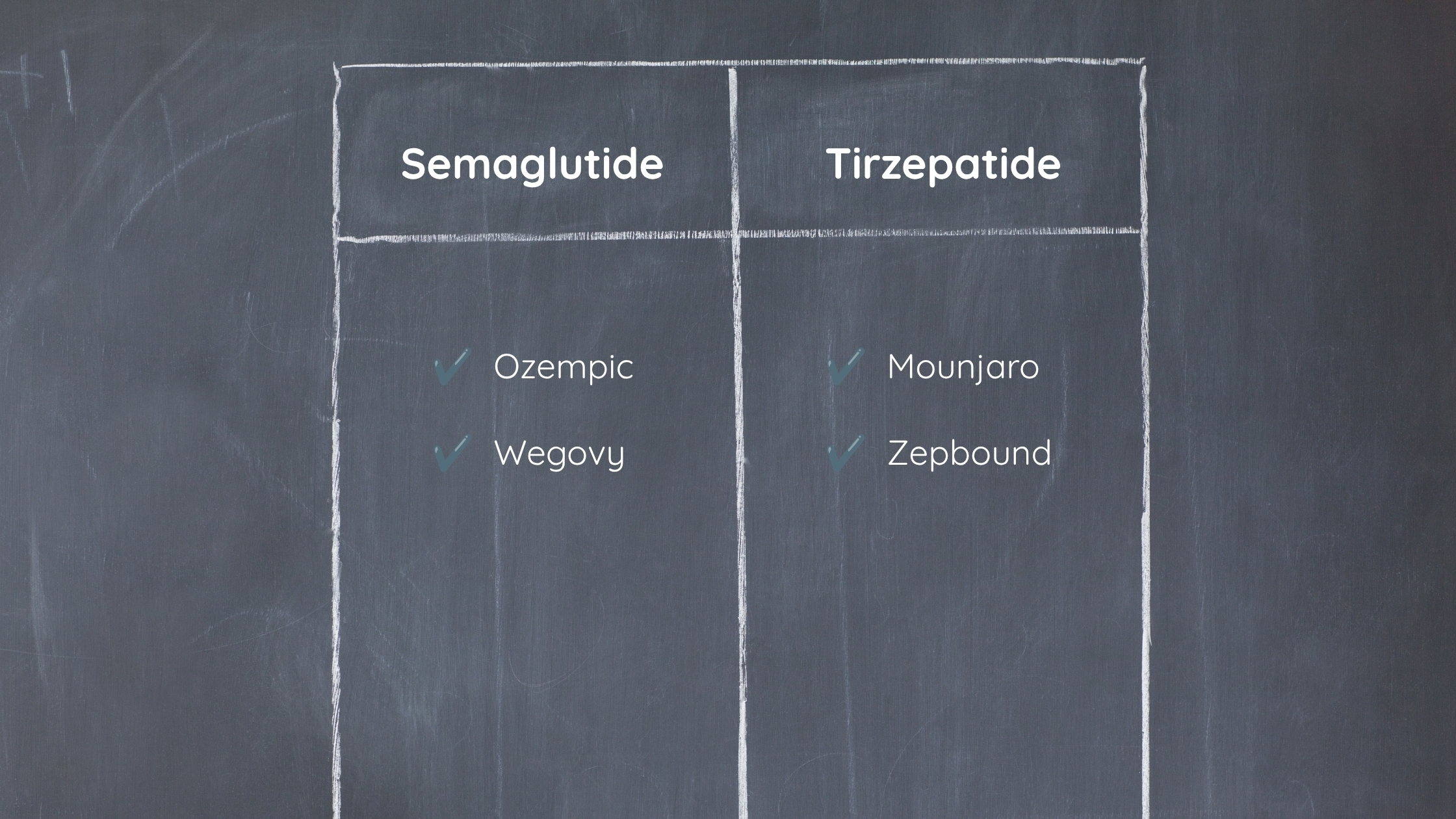
Patients often ask about the difference between these medications.
Semaglutide
Examples include:
Ozempic
Wegovy
Semaglutide acts primarily on GLP-1 receptors.
Tirzepatide
Examples include:
Mounjaro
Zepbound
Tirzepatide acts on both GLP-1 and GIP receptors.
According to Dr. Katie, this dual mechanism appears to provide:
Greater weight loss
Better blood sugar control
Improved tolerability for many patients
Because of these advantages, tirzepatide has become her preferred option in many cases.
The Future: Microdosing GLP-1 Medications
"Can we gain some of the metabolic benefits at much smaller doses? Dr. Katie believes the answer may be yes."
One of the most interesting strategies Dr. Katie discusses is microdosing.
Not every patient needs to lose significant amounts of weight.
Some women simply want support with:
Metabolic health
Insulin sensitivity
Inflammation
Energy
Weight maintenance
In these cases, very small doses may provide benefits while reducing the likelihood of side effects.
Research is still emerging, but Dr. Katie has seen encouraging results in carefully selected patients.
A Tool—Not a Shortcut

Perhaps the most important message from this conversation is that GLP-1 medications are not a replacement for healthy habits.
They are a tool.
A very powerful tool.
But still just one piece of the puzzle.
At Tahoe Hormone Therapy, the focus remains on:
Nutrition
Protein intake
Strength training
Stress management
Sleep
Hormonal health
Metabolic optimization
GLP-1 medications work best when they support these foundational habits—not replace them.
Final Thoughts
"The goal isn't simply to lose weight. The goal is to improve health."
GLP-1 medications are changing the way we think about weight loss, metabolic health, and longevity.
While they aren't magic, they may be one of the most effective tools currently available for helping women navigate the challenges of perimenopause and menopause.
According to Dr. Katie, the goal isn't simply to lose weight.
The goal is to improve health.
To protect muscle.
To support the brain and heart.
To reduce inflammation.
And ultimately, to help women feel stronger, healthier, and more confident in their bodies.
Watch The Full Podcast
Want to hear the full conversation from Dr. Katie O’Brien?
Watch the complete podcast episode here: The GLP-1 Conversation Women Need to Hear | Dr. Katie O’Brien
If this conversation resonated with you, be sure to explore more education and resources from Tahoe Hormone Therapy focused on hormone health, metabolism, strength, longevity, and thriving through perimenopause and menopause.
Want More Support?
At Tahoe Hormone Therapy, we help women navigate perimenopause, menopause, metabolic health, hormone balance, and longevity through a personalized, root-cause approach.
If you're ready to feel healthier, stronger, and more supported in your next chapter, we'd love to help.