Estrogen Therapy in Perimenopause and Menopause: What Every Woman Should Know
Estrogen Therapy in Perimenopause and Menopause: What Every Woman Should Know
Estrogen Does More Than Manage Hot Flashes
"Estrogen doesn't just help manage menopause symptoms—it helps protect your bones, your brain, your heart, and your future health."
Few topics in women's health create as much confusion as estrogen therapy.
For years, women have been told that hormone replacement therapy is dangerous. Many were warned about breast cancer, heart disease, blood clots, and stroke. As a result, countless women either stopped hormone therapy or never considered it in the first place.
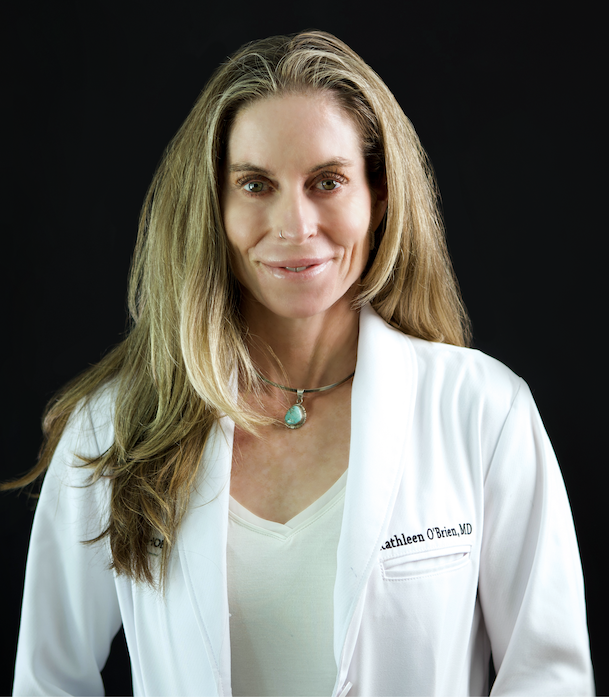
But according to Dr. Katie O'Brien, much of that fear comes from a misunderstanding of older research and doesn't reflect what we know today.
In fact, modern evidence suggests that for many women, estrogen may be one of the most powerful tools available for protecting long-term health during and after menopause.
Why Estrogen Matters So Much

When most women think about estrogen, they think about hot flashes, night sweats, and menopause symptoms.
While estrogen certainly helps with those symptoms, its effects go far beyond symptom relief.
Estrogen influences nearly every major system in the body, including:
The brain
The heart
Blood vessels
Bones
Skin
Vaginal tissue
Urinary health
Metabolic health
According to Dr. Katie, estrogen is one of the most important longevity hormones available to women.
The Study That Changed Everything—And Why It Was Misunderstood
Much of the fear surrounding hormone replacement therapy traces back to the Women's Health Initiative (WHI), a massive study launched in the 1990s.
The headlines were alarming.
Many women were told hormone therapy increased the risk of:
Breast cancer
Heart disease
Stroke
Blood clots
As a result, hormone therapy prescriptions plummeted almost overnight.
However, Dr. Katie explains that researchers later identified significant limitations within the study.
Some of the biggest concerns included:
The average participant was 63 years old
Most women were already more than a decade beyond menopause
Many participants had existing health risk factors
The study used synthetic hormones that are rarely used today
Over the years, researchers have revisited the data and reached very different conclusions about hormone therapy when started at the appropriate time.
Timing Matters
One of the most important concepts in modern hormone therapy is timing.
According to Dr. Katie, estrogen appears to offer the greatest benefits when started:
Before age 60
Or within 10 years of menopause
This is often referred to as the "window of opportunity."
When estrogen is introduced during this period, research suggests many women experience significant protective benefits.
Waiting until decades after menopause may create a different risk profile.
This distinction is one reason modern hormone therapy conversations look very different than they did twenty years ago.
Estrogen and Heart Health

Heart disease remains the number one cause of death among women.
This is one reason Dr. Katie feels so strongly about educating women on estrogen.
Research suggests that women who begin estrogen therapy during the appropriate window may experience:
Improved blood vessel function
Higher HDL ("good") cholesterol
Lower LDL ("bad") cholesterol
Better cardiovascular health overall
Some studies have shown reductions in heart disease risk of up to 30–40%.
For many women, this may be one of the most important benefits of hormone therapy.
Bone Health: One of Estrogen's Greatest Gifts

This is one area Dr. Katie is especially passionate about.
Estrogen plays a critical role in maintaining healthy bones.
The challenge is that bone loss doesn't suddenly begin after menopause.
It often begins years earlier as estrogen levels gradually decline throughout perimenopause.
Without adequate estrogen, women face a significantly increased risk of:
Bone loss
Osteopenia
Osteoporosis
Fractures
Research has shown estrogen therapy may:
Reduce fracture risk by up to 40%
Reduce hip fracture risk by 50–70%
Those numbers are remarkable.
Because hip fractures are often life-changing events that dramatically impact independence and quality of life, preserving bone health should be a priority long before a problem develops.
Protecting the Brain

"Most of us care about our cognitive health and our ability to fire on all cylinders."
Most women want to stay mentally sharp for as long as possible.
According to Dr. Katie, estrogen appears to have important neuroprotective effects.
In simple terms, estrogen helps protect the brain.
Research suggests women who begin estrogen therapy before age 65 may experience a significantly lower risk of Alzheimer's disease and cognitive decline.
Some studies have reported reductions in Alzheimer's risk of approximately 50%.
While more research continues to emerge, the relationship between estrogen and brain health is one of the most exciting areas in menopause medicine today.
Skin, Vaginal, and Urinary Health
Many women notice physical changes as estrogen levels decline.
Common concerns include:
Dry skin
Loss of skin elasticity
Vaginal dryness
Painful intercourse
Recurrent urinary tract infections
Estrogen therapy can often help improve these symptoms.
Dr. Katie notes that even localized vaginal estrogen may significantly reduce urinary tract infections while improving comfort and tissue health.
These improvements can have a meaningful impact on daily quality of life.
What About Breast Cancer?
This is often the first question women ask.
And understandably so.
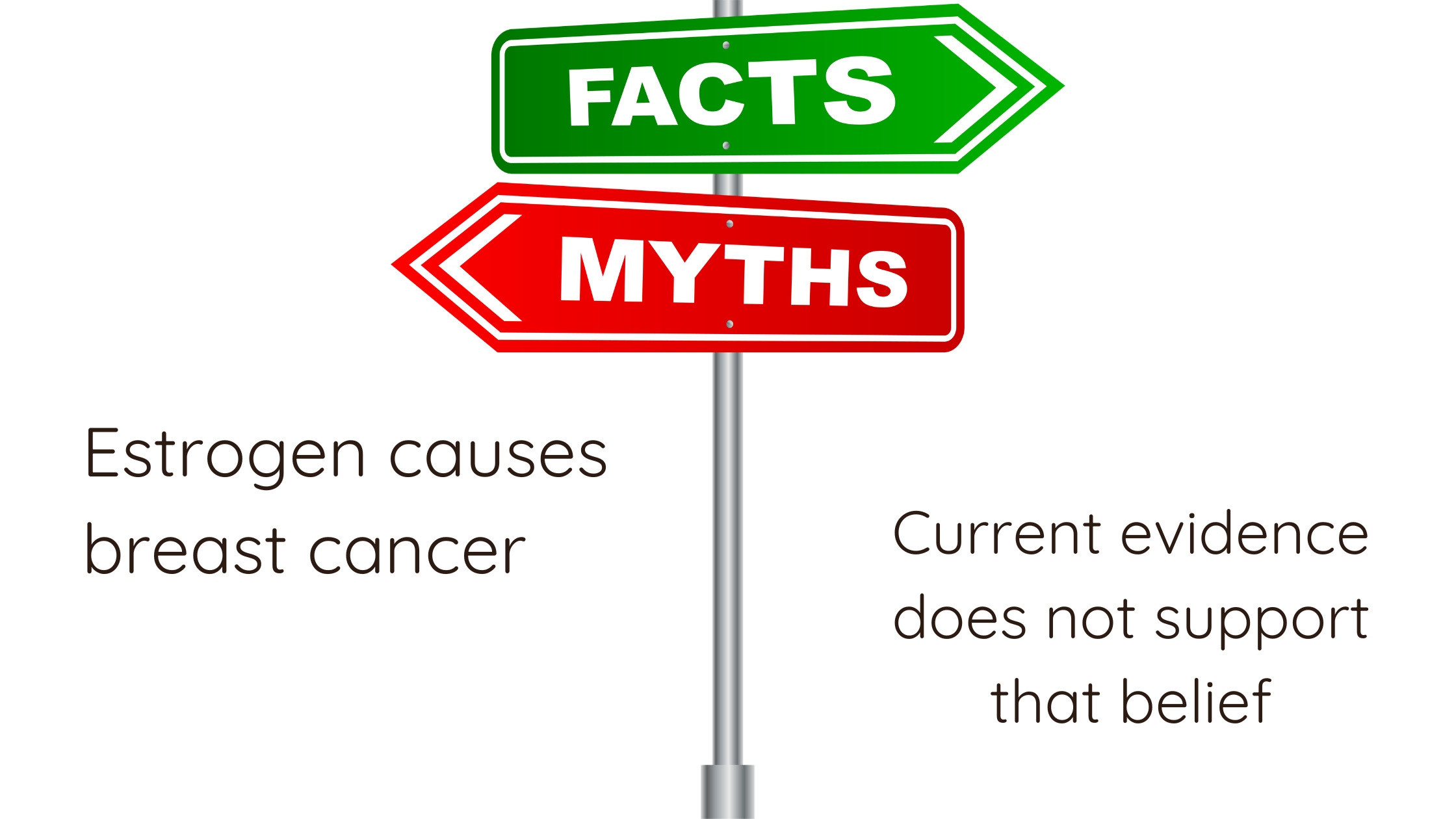
For years, many women were told estrogen causes breast cancer.
According to Dr. Katie, the current evidence does not support that belief.
In fact, studies evaluating estrogen alone have not shown increased breast cancer risk in the way many people assume.
Some research has even suggested potential protective effects in certain situations.
This remains one of the most misunderstood areas of hormone therapy.
Dr. Katie emphasizes that every woman is unique, and treatment decisions should always be individualized, but fear alone should not prevent women from learning about their options.
Bioidentical Hormones: How Today's Therapy Is Different

Another important distinction is that the hormones commonly used today differ from those used in the Women's Health Initiative study.
Modern bioidentical hormones are chemically identical to the hormones naturally produced by the body.
At Tahoe Hormone Therapy, treatment often includes:
Bioidentical estradiol
Bioidentical progesterone
Bioidentical testosterone when appropriate
These therapies allow for a more personalized and physiologic approach to hormone optimization.
Why Dr. Katie Doesn't Believe Women Should Wait Until Menopause

One perspective Dr. Katie feels strongly about is the idea that women should not have to suffer before receiving support.
In conventional medicine, hormone therapy is often discussed only after a woman reaches menopause.
But hormone decline begins long before that.
Testosterone, estrogen, and progesterone all change gradually over time.
Waiting until hormones are completely depleted may mean missing years of potential support for:
Brain health
Bone health
Cardiovascular health
Mood
Energy
Quality of life
This is one reason Dr. Katie often begins discussing hormones during perimenopause rather than waiting until menopause is fully established.
Final Thoughts
For many women, estrogen therapy is about far more than symptom relief.
It may help support:
Heart health
Bone strength
Brain function
Skin health
Urinary health
Overall longevity
According to Dr. Katie, the conversation around estrogen is finally changing.
Modern research continues to show that when hormone therapy is individualized and started at the appropriate time, the benefits can be substantial.
"The goal isn't simply to survive menopause. The goal is to thrive through it."
Watch The Full Podcast
Want to hear the full conversation from Dr. Katie O’Brien?
Watch the complete podcast episode here: What Women Were Never Told About Estrogen Therapy | Dr. Katie O’Brien
If this conversation resonated with you, be sure to explore more education and resources from Tahoe Hormone Therapy focused on hormone health, metabolism, strength, longevity, and thriving through perimenopause and menopause.
Want More Support?
At Tahoe Hormone Therapy, we help women navigate perimenopause, menopause, metabolic health, hormone balance, and longevity through a personalized, root-cause approach.
If you're ready to feel healthier, stronger, and more supported in your next chapter, we'd love to help.